



What is a Load Break Switch? A Simple Guide for Electrical Systems
What is a Load Break Switch?
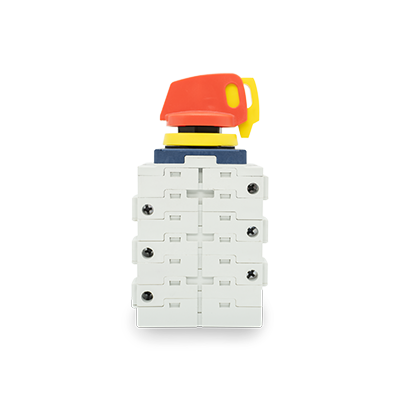
A Load Break Switch (LBS) is an electrical device used to safely switch ON and OFF electrical circuits while current is flowing.
Unlike basic switches, it is designed to handle live electrical loads, making it an important component in power distribution systems.
👉 In simple terms:
It helps you control power safely without shutting down the entire system.
Why is a Load Break Switch Important?
In any electrical setup, safety and control are essential.
A load break switch helps to:
- Ensure safe switching operations
- Protect equipment from damage
- Reduce risk of electrical hazards
- Allow smooth maintenance
How Does a Load Break Switch Work?
A load break switch works by interrupting current flow safely using arc control.
When the switch is turned OFF:
- Contacts inside the switch separate
- An arc is generated
- The switch safely controls and extinguishes the arc
Key Functions of a Load Break Switch
A load break switch performs multiple important roles:
- Safe switching under load
- Arc control for safety
- Protection of connected equipment
- Isolation for maintenance
Types of Load Break Switches
Load break switches are available in different types based on their design and application.
🔸 Air Load Break Switch
Uses air as the insulating medium for switching.
- Suitable for low and medium voltage applications
- Commonly used in industrial panels
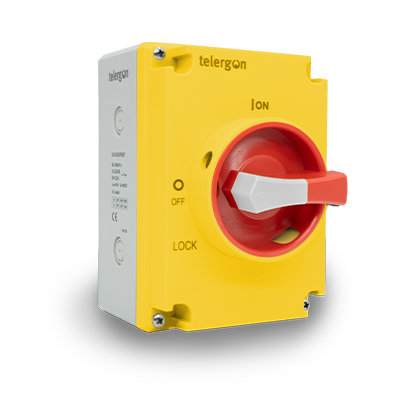
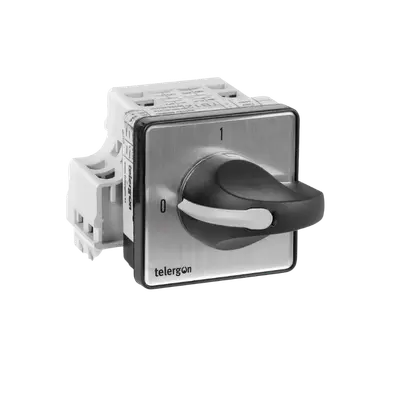
👉 Compact AC switch-disconnectors like Telergon S3 series are designed for such applications.
🔸 Enclosed Load Break Switch
Comes with a protective enclosure for added safety.
- Protects against dust, moisture, and external damage
- Ideal for industrial and outdoor use
👉 Enclosed solutions rated IP66 are available in S3 series with high protection levels.
🔸 Heavy-Duty Load Break Switch
Designed for high current and demanding environments.
- Handles higher loads efficiently
- Ensures reliable performance in critical systems
👉 For such applications, solutions like Telergon S5 series are used.
Key Features to Consider
When choosing a load break switch, performance and safety should always come first. A well-designed switch should handle arc formation efficiently while keeping heat generation under control. Durability is equally important, especially in industrial environments where switches are used continuously.
At the same time, certain features make a real difference:
- Efficient arc control
- Low heat generation
- Strong build quality
- Compliance with safety standards
Where are Load Break Switches Used?
Load break switches are widely used in systems where power needs to be controlled safely without interrupting operations. They are commonly found in industrial panels and power distribution systems, and with the rise of renewable energy, they are also used in solar installations. Commercial buildings also rely on them for safe and efficient power control.
Common Mistakes to Avoid
Many system failures are not due to the product itself, but because of incorrect usage. Using an isolator instead of a load break switch is one of the most common mistakes, as it can lead to unsafe switching conditions. Choosing low-quality products or ignoring proper load ratings can also create serious issues. Another key mistake is overlooking safety standards, which are essential for long-term reliability.
Choosing the Right Load Break Switch
Selecting the right load break switch depends on understanding your system requirements clearly. You need to consider the voltage and current rating, the type of application, and the environment in which it will be used.
A quick checklist can help here:
- Match voltage and current rating
- Consider application type
- Check environmental conditions
- Ensure safety compliance
Choosing the right switch is not just about functionality — it’s about ensuring safety and consistent performance.
Conclusion
A load break switch is a key component for safe and reliable electrical systems.
Understanding its working, functions, and types helps in:
- Improving safety
- Preventing failures
- Ensuring smooth operation
The right switchgear ensures long-term system protection and performance.
Related News
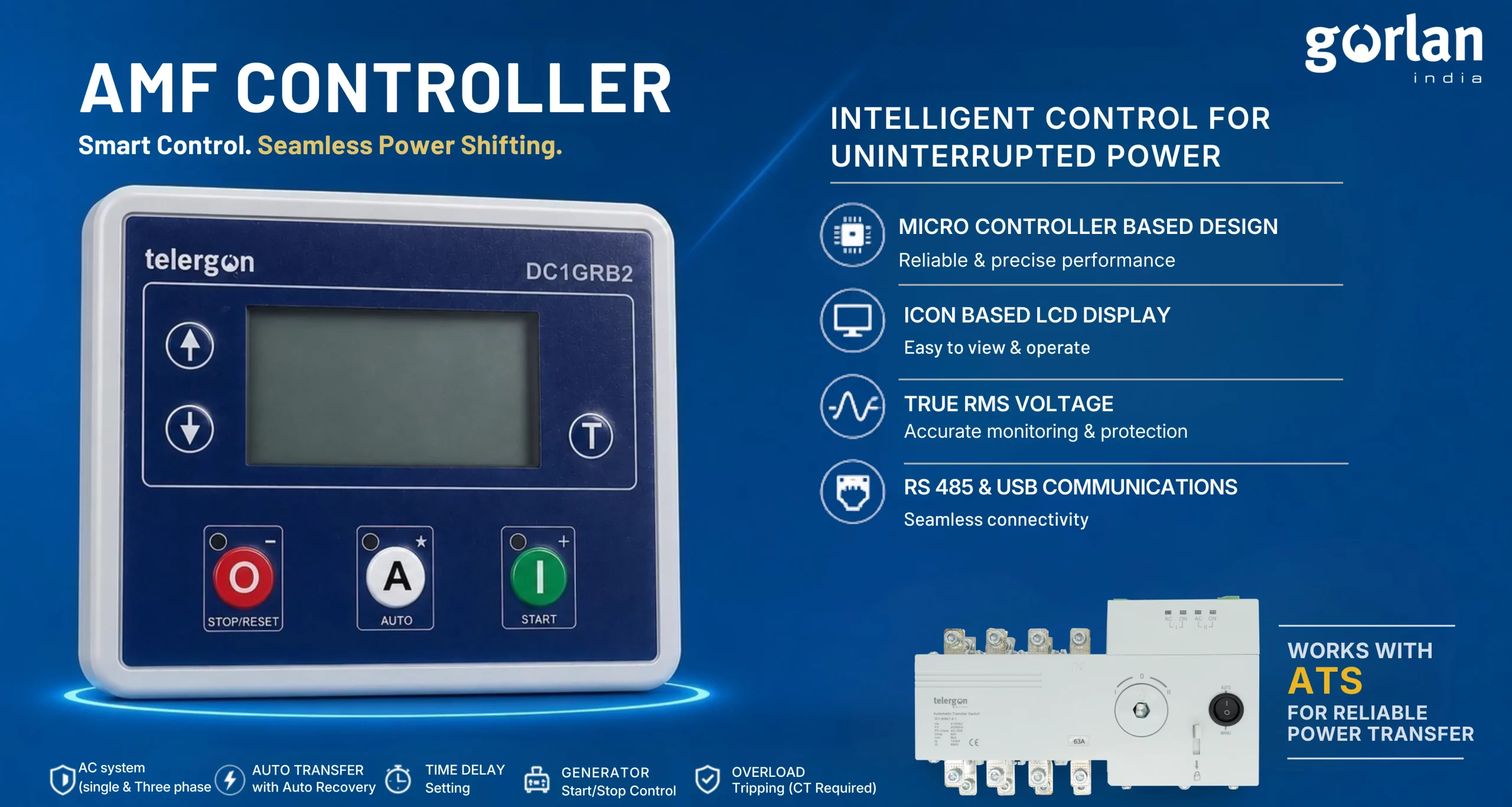
What Is an ATS Controller? A Technical Guide to Automatic Transfer Switch Controllers, ATS & Generator Power Transfer
ATS Controller explained: Understand its role in automatic transfer switches and generator power backup.
How Low voltage Switchgear Protects Industrial Machinery from Power Surges
Learn how low-voltage switchgear protects industrial machinery from power surges, minimizes downtime, and ensures reliable...
What is a Load Break Switch? A Simple Guide for Electrical Systems
Explore the full guide to understand its working, types, and real-world applications.

 Gorlan











Gorlan India, a  company

