



Disconnector or Switch-Disconnector? Most Panel Builders Use the Wrong Term
In electrical panel design, terminology is not just a matter of wording. The difference between a disconnector and a switch disconnector can directly affect how a device is selected, specified, and used in an electrical system.
Both devices are associated with isolation, but they are not necessarily interchangeable. For panel builders, OEMs, electrical engineers, and system integrators, understanding the difference is important when designing low voltage switchgear, electrical panels, power distribution systems, industrial control panels, and photovoltaic installations. So, when should you specify a disconnector, and when do you need a switch-disconnector?
Let’s break it down.
What Is a Disconnector?
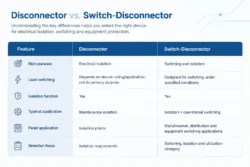
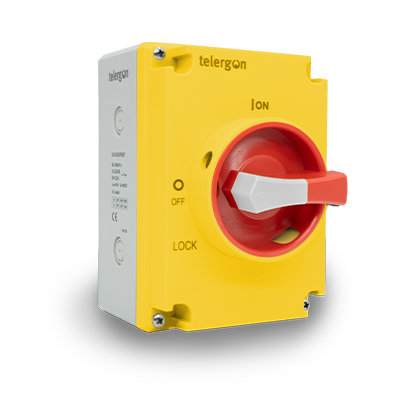
A disconnector is a mechanical device used primarily for electrical isolation, separating a circuit from the supply for safe maintenance.
Disconnector = Isolation
It is not automatically intended for routine load switching. Its suitability depends on its ratings, application, and applicable standards.
What Is a Switch-Disconnector?
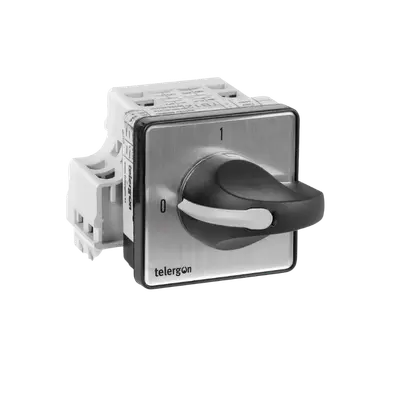
A switch-disconnector combines switching + isolation, allowing a circuit to be switched under specified conditions while also providing isolation.
Switch-Disconnector = Switching + Isolation
Commonly used in industrial panels, power distribution, machinery, generators, solar PV, and battery systems.
What About the Term “Isolator”?
Terms such as isolator, disconnector, isolation switch, switch-disconnector, and load-break switch are often used interchangeably, but they can represent different device functions.
For professional panel design, define the actual function rather than relying on the general
term “isolator.”
Need isolation only? → Disconnector
Need switching + isolation? → Switch-disconnector
When Should You Use a Disconnector?
A disconnector is suitable when the primary requirement is safe electrical isolation, such as:
● Maintenance and equipment isolation
● Switchboard sectional isolation
● Distribution isolation
When Should You Use a Switch-Disconnector?
A switch-disconnector is appropriate when both switching and isolation are required, particularly for equipment or circuits that need a defined ON/OFF operation.
Gorlan India’s S5 range offers AC switch-disconnectors from 125A to 2000A, available in 3P and 4P configurations, with manual or motorized operation depending on the model.
The final selection should always consider the voltage, current, poles, utilization category, switching duty, and application requirements.
Why the Difference Matters for Panel Builders
Selecting a device based only on its current rating can lead to the wrong choice. Panel
builders should consider:
Current | Voltage | Poles | AC/DC | Utilization category | Isolation | Short-circuit
characteristics | Mounting | Handle | Enclosure | Applicable standards
These factors are especially important for industrial machinery, solar PV, battery systems, generators, and power distribution panels.
Common Mistakes Panel Builders Should Avoid
1. Choosing only by current rating
A 400A rating alone does not tell you whether the device is suitable for the intended switching duty.
2. Treating every “isolator” as the same device
“Isolator” is commonly used as a general term, but the actual product classification and ratings need to be checked.
3. Using AC devices in DC applications
AC and DC switching have different requirements. Always use a device specifically rated for the intended DC application.
4. Ignoring utilization category
The device’s utilization category can be critical when determining whether it is suitable for the intended operational duty.
5. Selecting the device before understanding the application
Start with the electrical system and operating requirements. Then select the switching device.
Looking for the Right Switch-Disconnector for Your Panel?
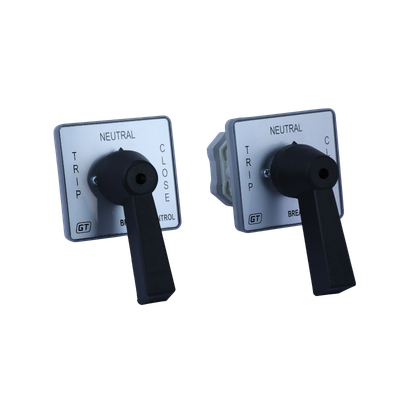
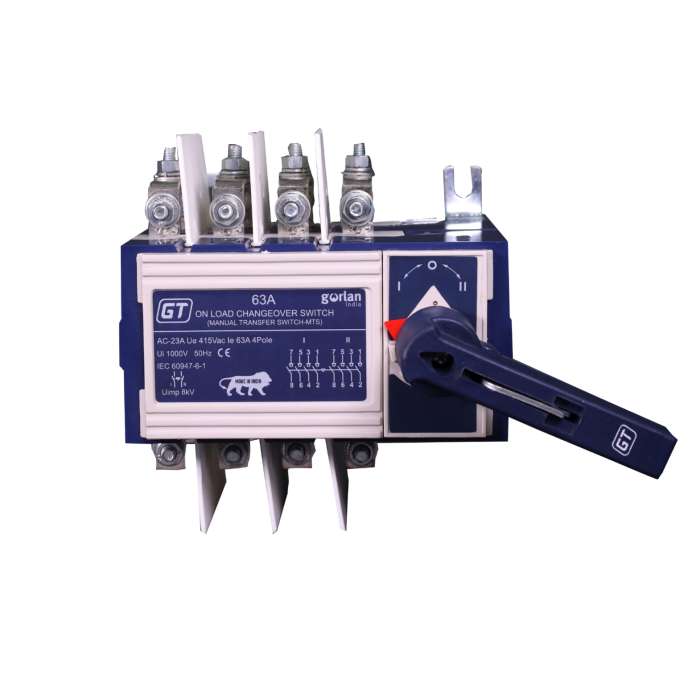
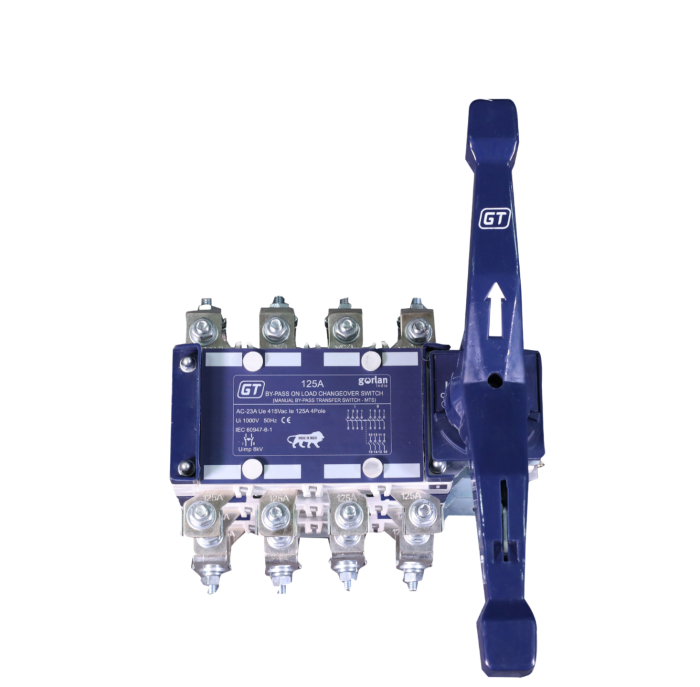
Gorlan India provides a range of AC switch-disconnectors, DC switch-disconnectors, disconnectors, compact switch-disconnectors, changeover switches, rotary cam switches, and automatic transfer switch solutions for industrial and energy applications. Its portfolio includes AC solutions such as the S3 and S5 ranges, as well as DC solutions for photovoltaic and green-energy applications. Explore the available switchgear solutions and select the product according to your application’s electrical and operational requirements.
Related News
Disconnector or Switch-Disconnector? Most Panel Builders Use the Wrong Term
Discover how switchgear supports India’s growing solar power sector with safe switching, protection, and reliable...
How Switchgear Supports the Growth of Solar Power in India
Discover how switchgear supports India’s growing solar power sector with safe switching, protection, and reliable...
What Is an ATS Controller? A Technical Guide to Automatic Transfer Switch Controllers, ATS & Generator Power Transfer
ATS Controller explained: Understand its role in automatic transfer switches and generator power backup.

 Gorlan











Gorlan India, a  company

