


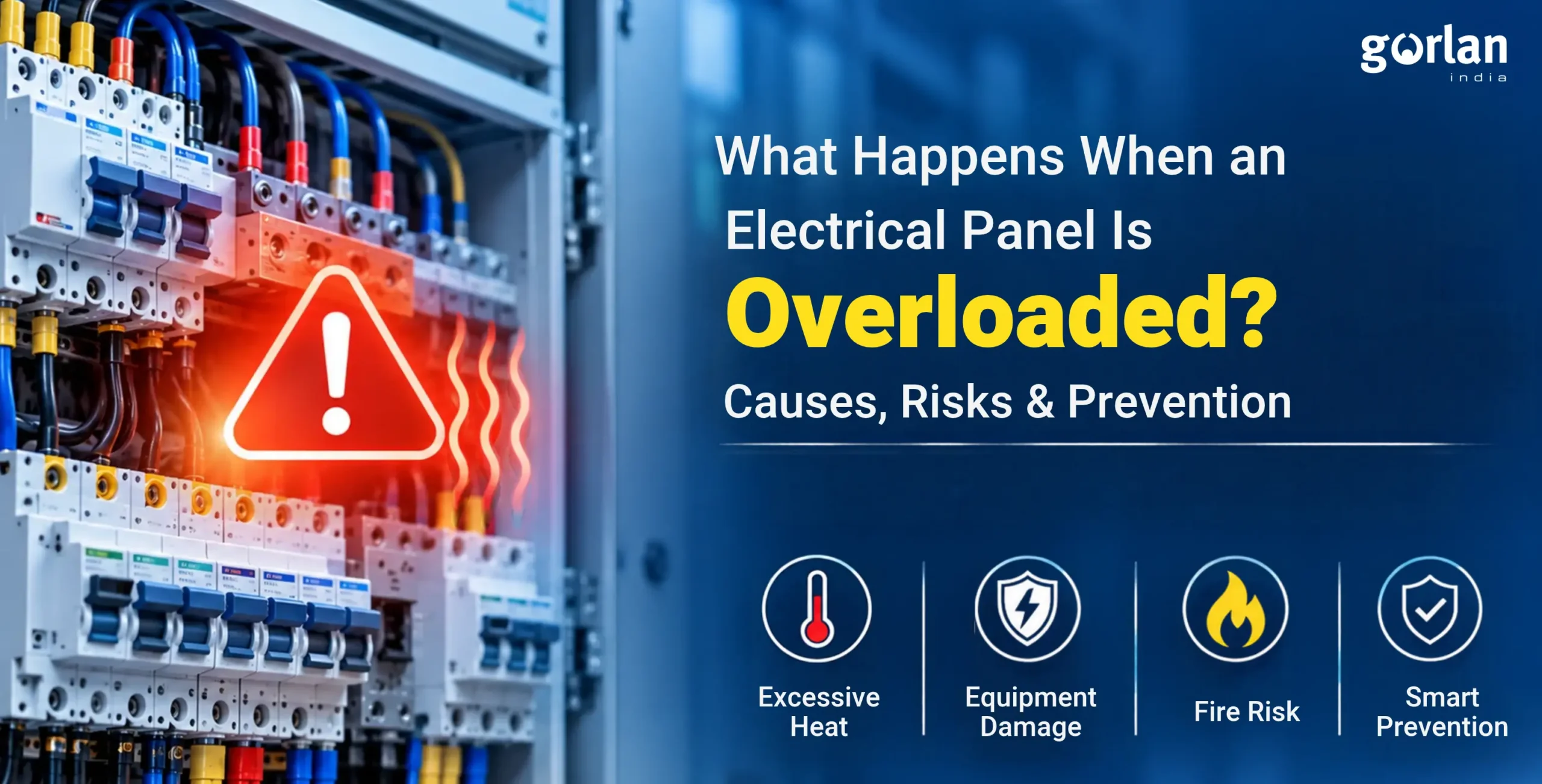
What Happens When an Electrical Panel Is Overloaded? Causes, Risks & Prevention
Electrical panels play an important role in distributing power safely across industrial facilities and commercial buildings. Every electrical panel is designed to operate within specified current and temperature limits.
But what happens when connected electrical equipment demands more current than the panel is designed to handle?
This condition is known as electrical overloading. Operating beyond the designed capacity can lead to excessive heat generation, equipment damage, insulation deterioration and potential fire hazards. Understanding its causes, warning signs and preventive measures is essential for maintaining safe and reliable electrical operations.
1. What Happens When an Electrical Panel Is Overloaded?
Operating an electrical panel beyond its designed capacity can affect its components and overall performance. Some of the major consequences include:
Excessive Heat Generation
When current flows through conductors, busbars and electrical connections, electrical resistance generates heat. As current increases, heat generation also increases. Prolonged overheating can damage insulation, affect electrical connections and reduce component life.
Insulation Deterioration
Electrical insulation is designed to withstand specified operating temperatures. Continuous exposure to excessive heat can accelerate insulation ageing, potentially leading to insulation breakdown, electrical faults and unexpected equipment downtime.
Frequent Circuit Breaker Tripping
Circuit breakers and other overcurrent protective devices are designed to interrupt excessive current under specified conditions. Frequent tripping may indicate excessive connected loads, improper load distribution or incorrect protective device settings.
2. What Are the Common Causes of Electrical Panel Overloading?
Electrical panel overloading can occur due to several reasons, particularly in industrial environments where power requirements change over time.
- Excessive Connected Loads: Adding machinery or electrical equipment without checking the available panel capacity can increase the total electrical demand.
- Improper Load Distribution: Uneven distribution of electrical loads across three phases can result in excessive current in individual phases.
- Incorrect Component Selection: Choosing conductors, busbars and electrical components without considering their rated capacities and operating conditions can create potential problems.
- Increased Power Demand: Expanding production or installing additional machinery without reviewing the existing electrical system can place additional stress on the installation.
- Poor Electrical Connections: Loose or deteriorated connections can create localised heating and electrical safety risks, even when the circuit is not overloaded.
Identifying these causes during electrical system design and maintenance can help reduce the risk of unexpected failures.
3. What Are the Warning Signs of an Overloaded Electrical Panel?
Identifying early warning signs can help prevent serious electrical problems and unexpected downtime.
Some common signs include:
- Frequent circuit breaker tripping.
- Unusual heating around panel components.
- Burning smells or discolouration near electrical connections.
- Unexpected equipment shutdowns.
- Unusual buzzing or sizzling sounds.
- Visible deterioration of insulation or electrical components.
These warning signs should never be ignored. A qualified electrical professional should inspect the panel and identify the underlying issue before normal operation resumes.
4. How Can Electrical Panel Overloading Be Prevented?
Preventing electrical overload conditions requires proper electrical design, suitable component selection and regular maintenance.
Calculate the Expected Electrical Load: Assess the total electrical demand of connected equipment, considering operating conditions, load diversity and future expansion requirements.
Select Appropriate Current Ratings: Ensure that panel assemblies, busbars, conductors, terminals and switching devices are selected according to their rated capacities and installation conditions.
Use Suitable Overcurrent Protection: Select and coordinate circuit breakers, fuses and other protective devices to protect conductors and equipment against overloads and short circuits.
Monitor Load Distribution: Regularly check phase loading in three-phase systems and distribute electrical loads appropriately to minimise imbalances.
Perform Regular Inspection and Maintenance: Inspect electrical connections, monitor operating temperatures and check protective devices periodically. Use thermal imaging inspections, where appropriate, to identify potential hot spots.
Plan for Future Expansion: Consider future machinery additions and power requirements during panel design. Review the existing electrical installation before connecting additional loads.
5. Why Does Proper Switchgear Selection Matter?
Every component in an electrical distribution system has a specific operating function and rated capacity. Selecting suitable switching and protective equipment is essential for safe and reliable power distribution.
Switches, circuit breakers, fuses and protection relays must be selected according to their intended functions and coordinated with the overall electrical system design.
For example, a load-break switch is designed to switch specified electrical loads within its rated operating conditions. It should not be considered a replacement for an appropriately selected overcurrent protection device.
Reliable Electrical Switching Solutions from Gorlan India
At Gorlan India, we understand the importance of reliable electrical power distribution. Our range of electrical switching solutions supports various industrial, commercial and power distribution applications.
Our product portfolio includes:
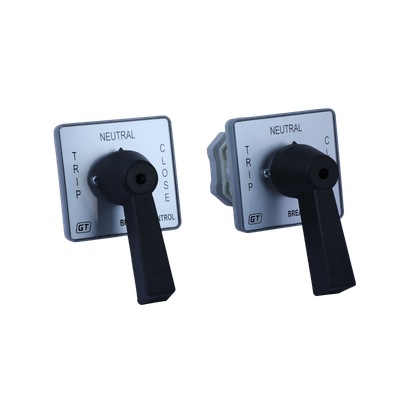
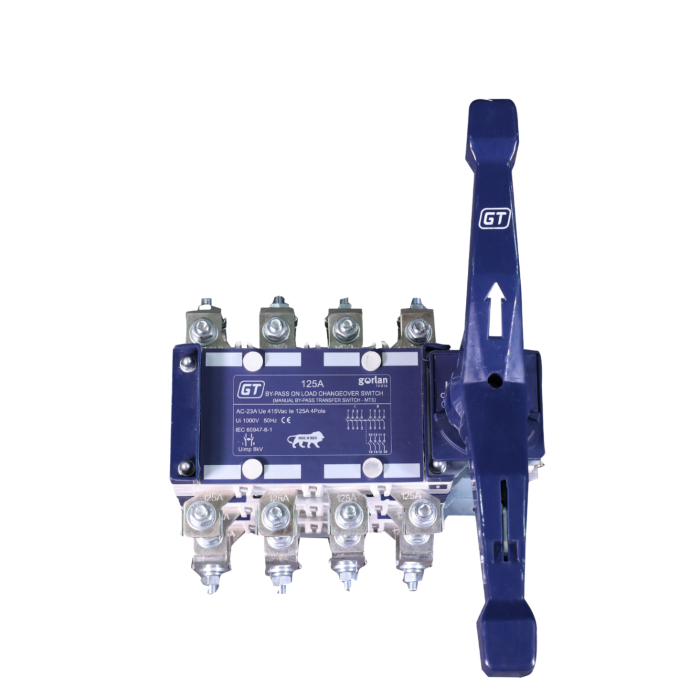
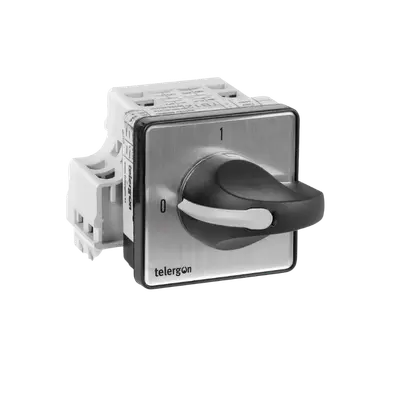
- CAM Switches: Switching solutions for a variety of electrical control and switching applications.
- Automatic Transfer Switches (ATS): Solutions designed to support automatic transfer between available power sources.
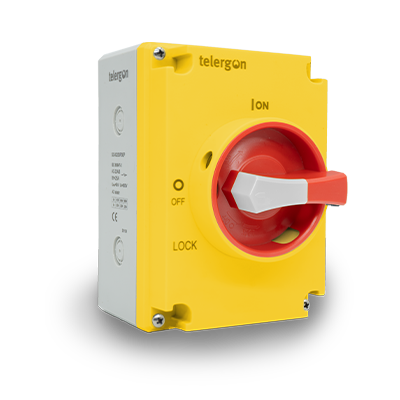
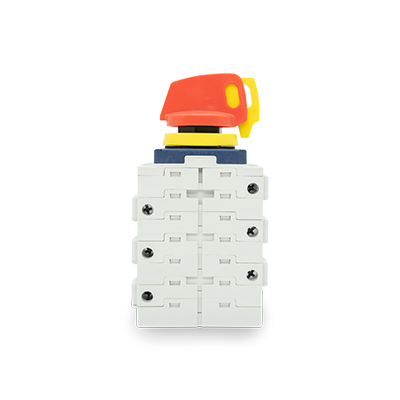
- AC Switch-Disconnectors: Reliable switching and isolation solutions for AC electrical applications.
- DC Switch-Disconnectors: Switching and isolation solutions for DC applications, including solar photovoltaic systems.
Selecting appropriate switching solutions and ensuring correct component ratings are important steps towards dependable electrical system operation.
Explore Gorlan India’s range of electrical switching solutions and find the right products for your application.
Gorlan India – Switching Excellence.
Frequently Asked Questions
1. What is electrical panel overloading?
It occurs when the current flowing through an electrical circuit or assembly exceeds the rated capacity of its components or permitted operating limits.
2. Can an overloaded electrical panel cause a fire?
Yes. Sustained overheating can damage insulation and electrical components, potentially creating fire hazards.
3. How can electrical panel overloading be prevented?
Proper load calculation, suitable component selection, appropriate overcurrent protection and regular maintenance help prevent electrical overloading
What About the Term “Isolator”?
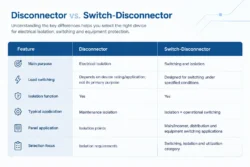
Terms such as isolator, disconnector, isolation switch, switch-disconnector, and load-break switch are often used interchangeably, but they can represent different device functions.
For professional panel design, define the actual function rather than relying on the general
term “isolator.”
Need isolation only? → Disconnector
Need switching + isolation? → Switch-disconnector
When Should You Use a Disconnector?
A disconnector is suitable when the primary requirement is safe electrical isolation, such as:
● Maintenance and equipment isolation
● Switchboard sectional isolation
● Distribution isolation
When Should You Use a Switch-Disconnector?
A switch-disconnector is appropriate when both switching and isolation are required, particularly for equipment or circuits that need a defined ON/OFF operation.
Gorlan India’s S5 range offers AC switch-disconnectors from 125A to 2000A, available in 3P and 4P configurations, with manual or motorized operation depending on the model.
The final selection should always consider the voltage, current, poles, utilization category, switching duty, and application requirements.
Why the Difference Matters for Panel Builders
Selecting a device based only on its current rating can lead to the wrong choice. Panel
builders should consider:
Current | Voltage | Poles | AC/DC | Utilization category | Isolation | Short-circuit
characteristics | Mounting | Handle | Enclosure | Applicable standards
These factors are especially important for industrial machinery, solar PV, battery systems, generators, and power distribution panels.
Common Mistakes Panel Builders Should Avoid
1. Choosing only by current rating
A 400A rating alone does not tell you whether the device is suitable for the intended switching duty.
2. Treating every “isolator” as the same device
“Isolator” is commonly used as a general term, but the actual product classification and ratings need to be checked.
3. Using AC devices in DC applications
AC and DC switching have different requirements. Always use a device specifically rated for the intended DC application.
4. Ignoring utilization category
The device’s utilization category can be critical when determining whether it is suitable for the intended operational duty.
5. Selecting the device before understanding the application
Start with the electrical system and operating requirements. Then select the switching device.
Looking for the Right Switch-Disconnector for Your Panel?
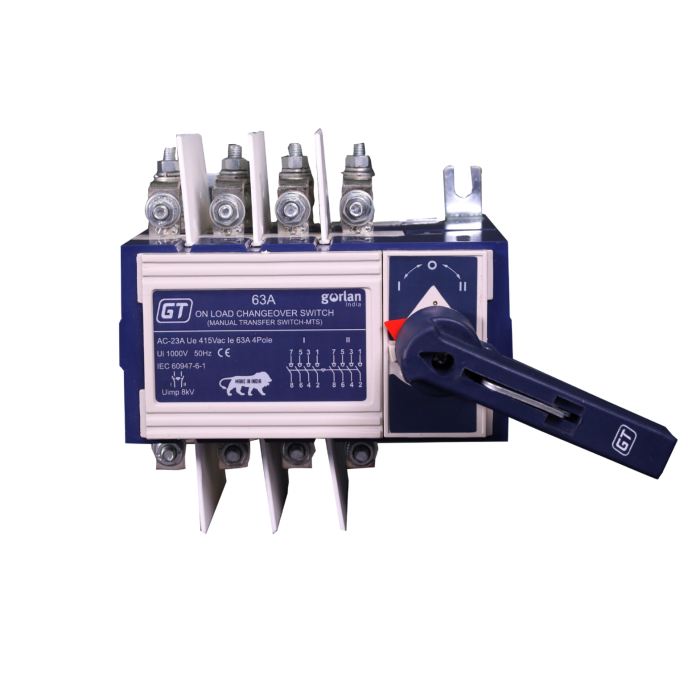
Gorlan India provides a range of AC switch-disconnectors, DC switch-disconnectors, disconnectors, compact switch-disconnectors, changeover switches, rotary cam switches, and automatic transfer switch solutions for industrial and energy applications. Its portfolio includes AC solutions such as the S3 and S5 ranges, as well as DC solutions for photovoltaic and green-energy applications. Explore the available switchgear solutions and select the product according to your application’s electrical and operational requirements.
Related News
What Happens When an Electrical Panel Is Overloaded? Causes, Risks & Prevention
Learn what causes electrical panel overload, its warning signs, potential risks, and effective prevention methods...
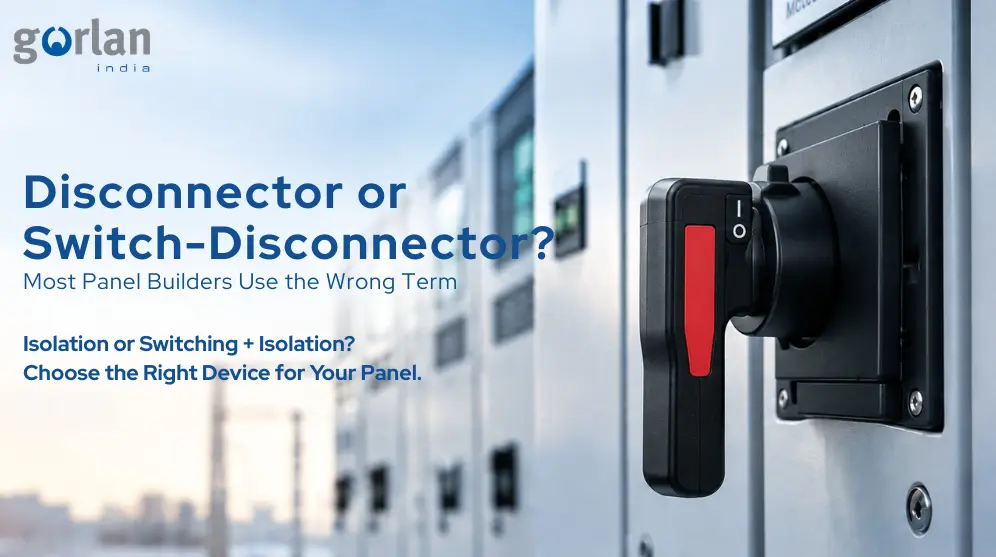
Disconnector or Switch-Disconnector? Most Panel Builders Use the Wrong Term
Disconnector or Switch-Disconnector? Understanding the Difference

How Switchgear Supports the Growth of Solar Power in India
Discover how switchgear supports India’s growing solar power sector with safe switching, protection, and reliable...

 Gorlan











Gorlan India, a  company

