

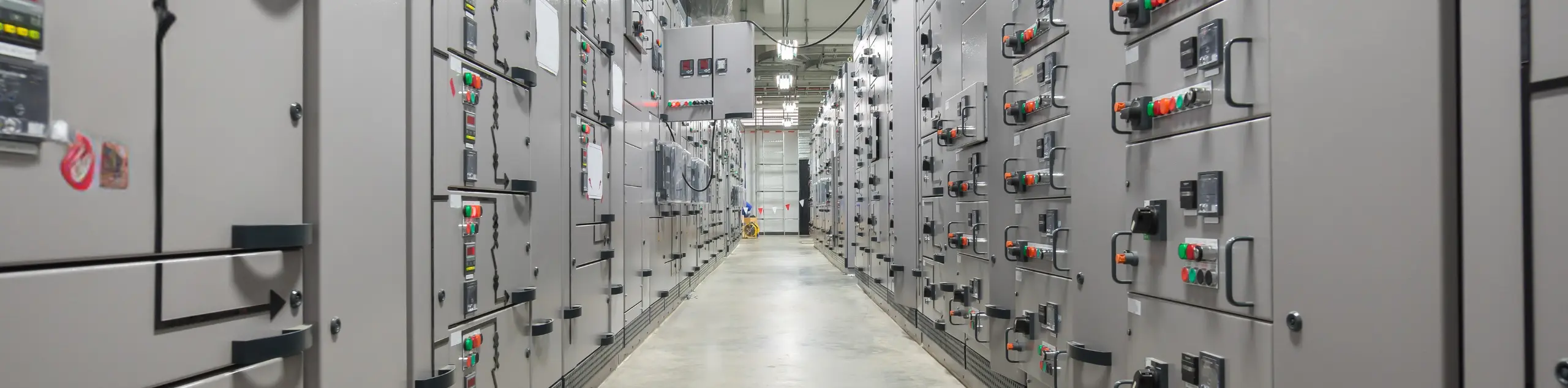
Top 5 Installation Mistakes with Changeover Switch and How Panel Builders Can Avoid Them
In industrial and commercial setups having a steady power supply is very important. For panel builders picking the right Changeover manual transfer is key to safely switching between power sources while keeping the system protected and working reliably.
This guide covers the things to think about when choosing and installing a high-performance Changeover Switch into power distribution panels.
What is a Changeover Switch?
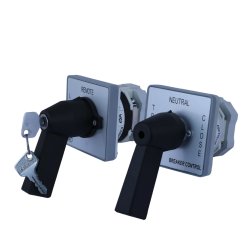
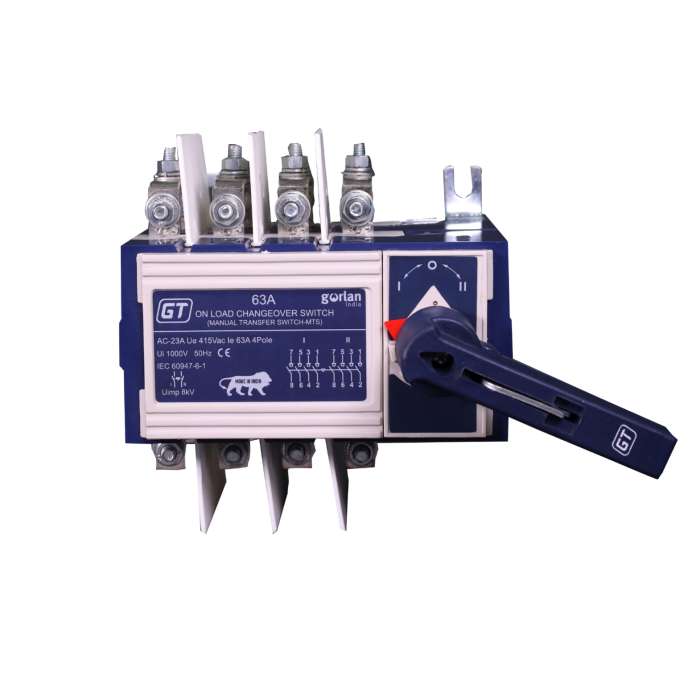
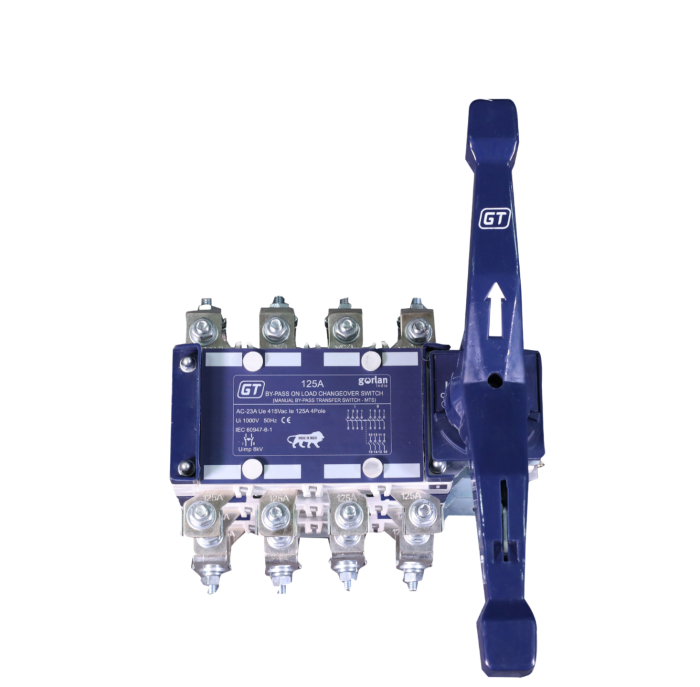
A Gorwin Changeover Switch is a device that helps switch the load between two power sources. Usually the main power supply and a backup generator.
Unlike a switch it gives:
- Safe separation between power sources
- Clear ON/OFF indication
- Reliable mechanical interlocking
- High short-circuit handling capacity
In critical installations if the electrical changeover manual transfer switch is not chosen properly it can cause backfeeding, damage to equipment or even safety risks. That’s why panel builders must choose robust switching solutions.
Why Panel Builders Prefer Changeover Switch
Panel builders need devices that’re:
- Compact and easy to fit into panels
- Compliant with IEC standards
- Able to handle high fault currents
- Mechanically durable
A well-designed changeover switch panel ensures safe switching without the power sources overlapping. This reduces risks during maintenance. When restoring power.

Application in Generator Backup Systems
One common use is as a changeover switch for generators.
In generator-based systems the device allows:
- Smooth switching from mains to generator
- Safe separation during maintenance
- Prevention of reverse power flow
- downtime during outages
For industrial facilities and commercial buildings using a reliable changeover switch for generators is vital to keep things running without compromising safety.
Key Technical Factors to Consider
When picking a Changeover Switch panel builders should check:
1. Rated Current & Voltage
Make sure the device matches the system load needs.
2. Short-Circuit Withstand Capacity
Critical for setups where fault levels are high.
3. Mechanical Endurance
The switch should be durable enough to handle frequent ON/OFF operations without wear or failure.
4. Compact Design
Optimizing space is crucial in control panels.
5. Compliance & Certifications
IEC compliance ensures safety and global reliability standards.
Designing a Reliable Changeover Switch Panel
A Changeover switch panel should:
- Provide good ventilation
- Allow easy access for maintenance
- Have proper cable management
- Keep power sources clearly separated
Paying attention to the panel layout greatly improves long-term reliability and reduces thermal stress.
Safety & Reliability: The Core Advantage
Modern electrical changeover switch technology is engineered for:
- High operational safety
- Reduced risk of arc faults
- Clear isolation during servicing
- Long service life
For panel builders reliability means less service calls, lower warranty claims and more customer trust.
Gorlan India’s Gorwin Changeover Switch solutions are designed to meet the changing needs of panel builders combining strong construction, high fault handling capability and dependable switching performance. Gorlan products are built to deliver safety, durability and operational confidence.
Related News
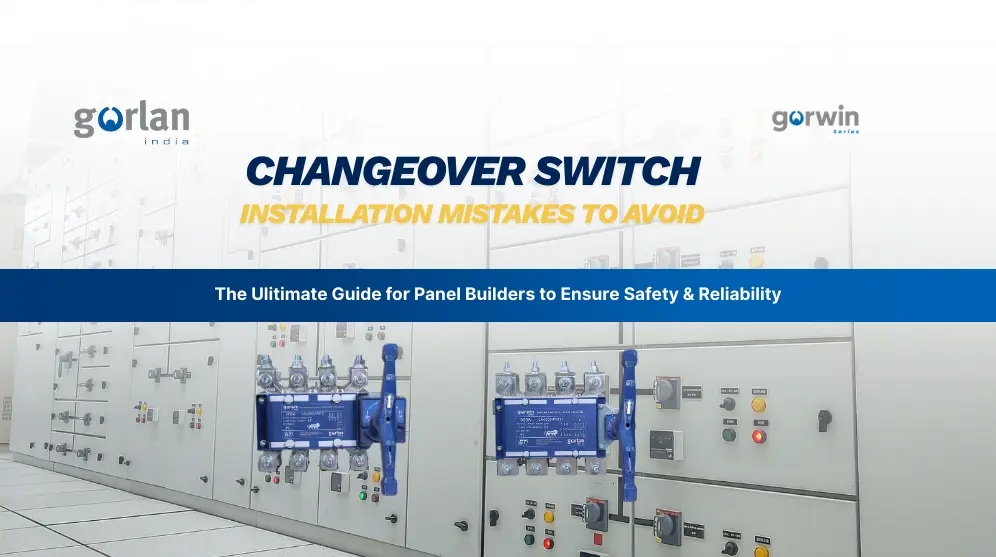
Top 5 Installation Mistakes with Changeover Switch and How Panel Builders Can Avoid Them
Discover the top 5 installation mistakes with changeover switches and how panel builders can ensure...
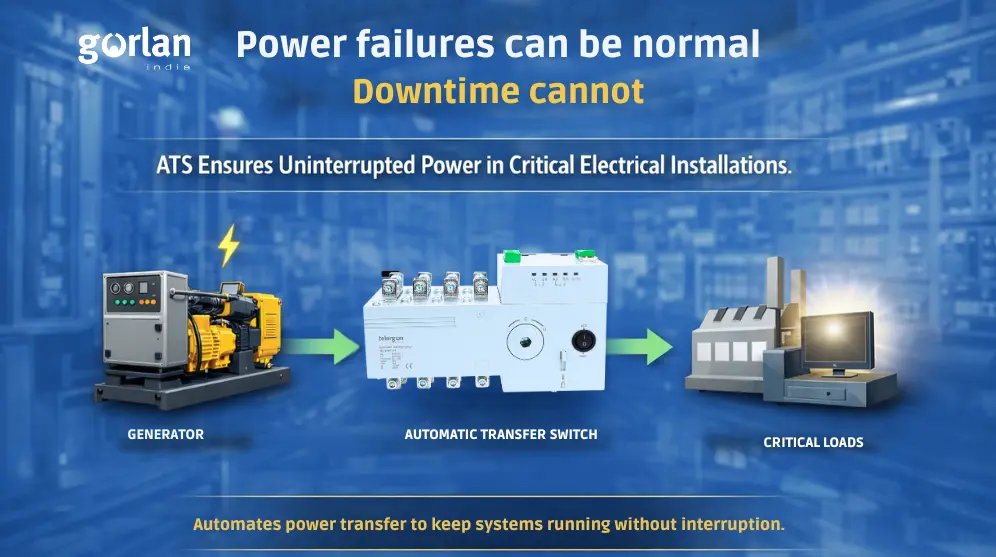
Why Is an ATS Important in Electrical Installations?
An Automatic Transfer Switch (ATS) is critical in electrical installations because it ensures uninterrupted power...
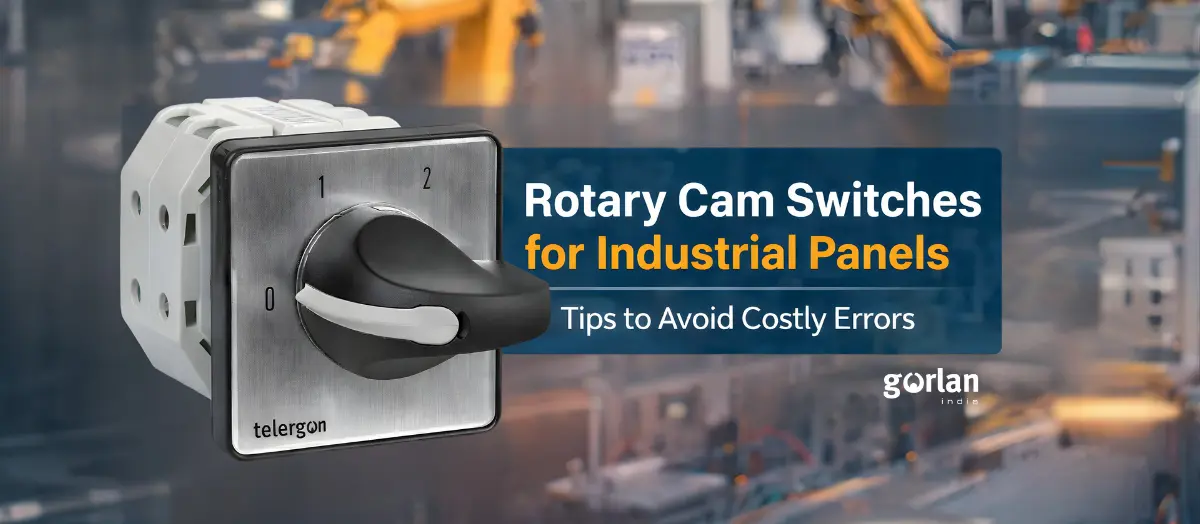
Rotary Cam Switches for Industrial Panels: Tips to Avoid Costly Errors
Learn how cam switches support industrial control panels and the common errors to avoid when...

 Gorlan






Gorlan India, a  company

