


DC Arcs Don’t Behave Like AC Arcs – And Your Isolator Needs to Know the Difference
Solar, EV charging, battery storage, and data centres operate on direct current (DC) — but DC behaves very differently from AC. During disconnection, DC arcs are harder to control and can create serious safety risks.
In this blog, Gorlan India explains the physics behind DC and AC arc behaviour, why they demand completely different isolation solutions, and how the right switch disconnector selection protects your equipment, your installation, and your people.
Why DC Arcs Are More Challenging Than AC Arcs
In alternating current (AC) systems, the current and voltage follow a sine waveform and pass through zero twice in each cycle. In a 50 Hz system, this results in 100 zero crossings per second creating natural opportunities for an electrical arc to extinguish when switching contacts open.
Direct current (DC) systems behave differently. Since DC flows continuously in one direction, there is no natural zero crossing, making arc interruption significantly more difficult.
As a result:
- DC arcs last longer than AC arcs
- They generate higher thermal stress on switching contacts
- The arc can sustain across larger contact gaps
Specialized arc suppression designs are required
Because of these characteristics, AC-rated switch-disconnectors cannot always safely interrupt DC loads.
The Role of DC Switch Disconnectors
To safely isolate DC circuits, engineers rely on switching devices specifically designed for DC applications.
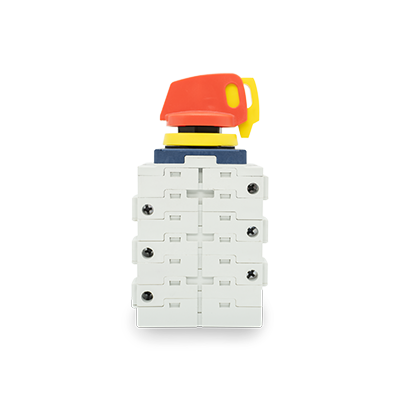
A DC Switch Disconnector is engineered to interrupt DC loads safely while preventing sustained arc formation.
These devices typically incorporate:
- Increased contact separation distance
- Advanced arc-quenching chambers
- Magnetic arc control mechanisms
- High thermal and electrical endurance
Such design features ensure safe circuit isolation during maintenance, emergency shutdowns, and system protection.
AC Switch Disconnectors vs DC Switch Disconnectors
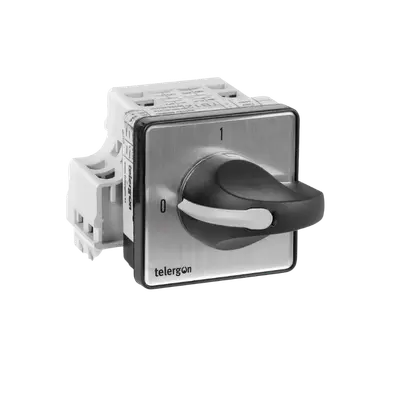
In industrial power distribution systems, AC Switch Disconnector devices are widely used for safe isolation and switching of AC loads.
AC switch disconnectors are designed with characteristics optimized for AC circuits, including:
- Arc chambers suited for AC interruption
- Compact switching mechanisms
- Contact systems optimized for alternating current loads
However, applying AC switching devices in DC circuits without proper ratings can lead to prolonged arcing, overheating, and potential equipment failure.
Therefore, selecting the correct switching solution based on system voltage, current rating, and application requirements is essential for safe operation.

DC Isolation in Modern Applications
The demand for reliable DC switching solutions continues to grow across multiple sectors:
Solar Photovoltaic Systems
DC switch disconnectors are used to safely isolate PV arrays between solar panels and inverters.
Battery Energy Storage Systems (BESS)
Battery installations operate entirely on DC power and require reliable isolation devices for safety.
EV Charging Infrastructure
Electric vehicle charging systems involve high-power DC circuits requiring specialized switching equipment.
Railway and Industrial DC Systems
Many transport and industrial systems rely on DC power networks where proper isolation is critical.
Reliable Switching Solutions from Gorlan India
As electrical systems become more advanced, high-performance switching components are essential for maintaining safety and operational reliability.
Gorlan India provides robust switching solutions designed to meet the requirements of modern electrical infrastructure.
The product portfolio includes switch disconnectors for safe electrical isolation:
- AC switch disconnectors for industrial & power distribution systems
- DC switch disconnectors designed for renewable energy and DC applications
- Automatic Transfer Switches (ATS) for uninterrupted power switching between sources
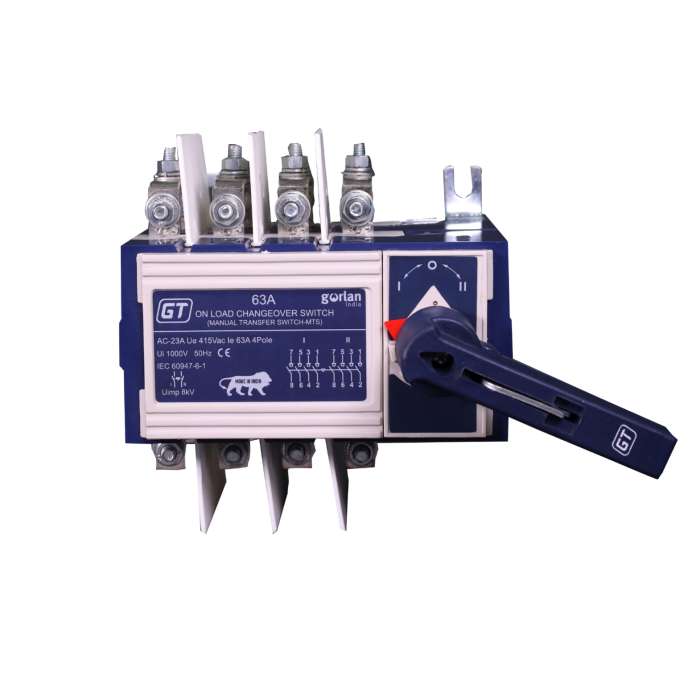
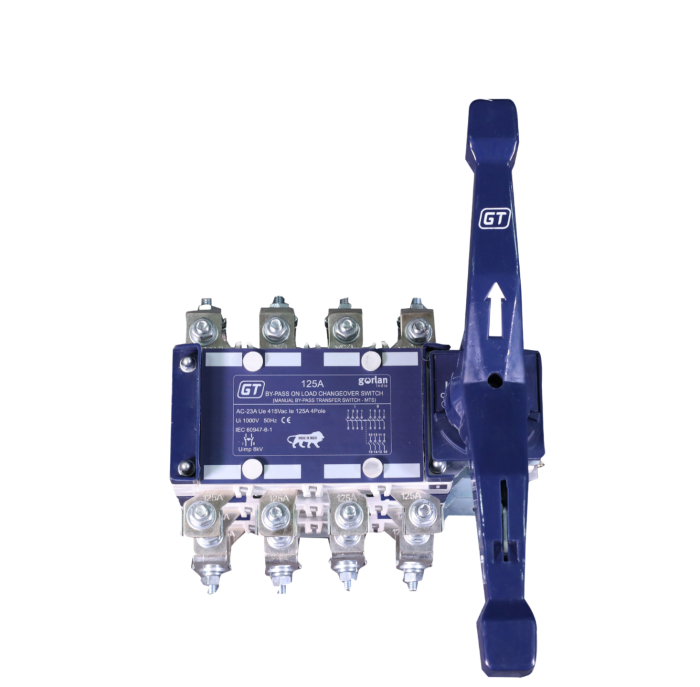
- Changeover Switches (CHO) for manual power source transfer
Gorlan India’s switching devices are engineered for durability and safe load interruption.
Conclusion
As the adoption of DC power systems continues to grow, understanding the challenges of DC arc interruption becomes increasingly important. Unlike AC circuits, DC systems require specialized switching devices capable of safely interrupting continuous current flow.
By selecting properly designed switching solutions such as AC switch disconnectors and DC switch disconnectors, engineers can ensure safe operation, protect electrical equipment, and maintain long-term system reliability.
Related News
DC Arcs Don’t Behave Like AC Arcs – And Your Isolator Needs to Know the Difference
DC arcs are harder to interrupt than AC arcs. Learn how DC switch disconnectors ensure...
Top 5 Installation Mistakes with Changeover Switch and How Panel Builders Can Avoid Them
Discover the top 5 installation mistakes with changeover switches and how panel builders can ensure...
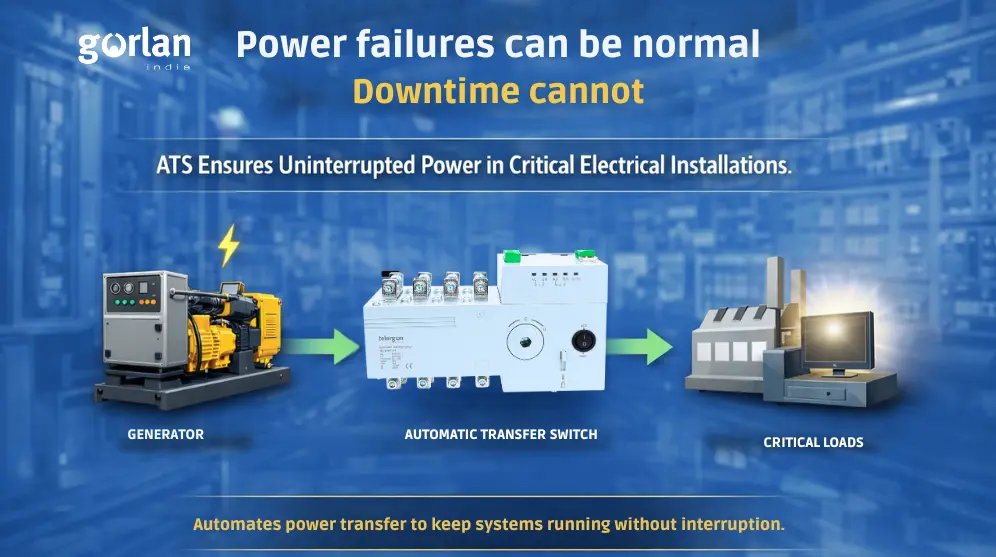
Why Is an ATS Important in Electrical Installations?
An Automatic Transfer Switch (ATS) is critical in electrical installations because it ensures uninterrupted power...

 Gorlan










Gorlan India, a  company

